
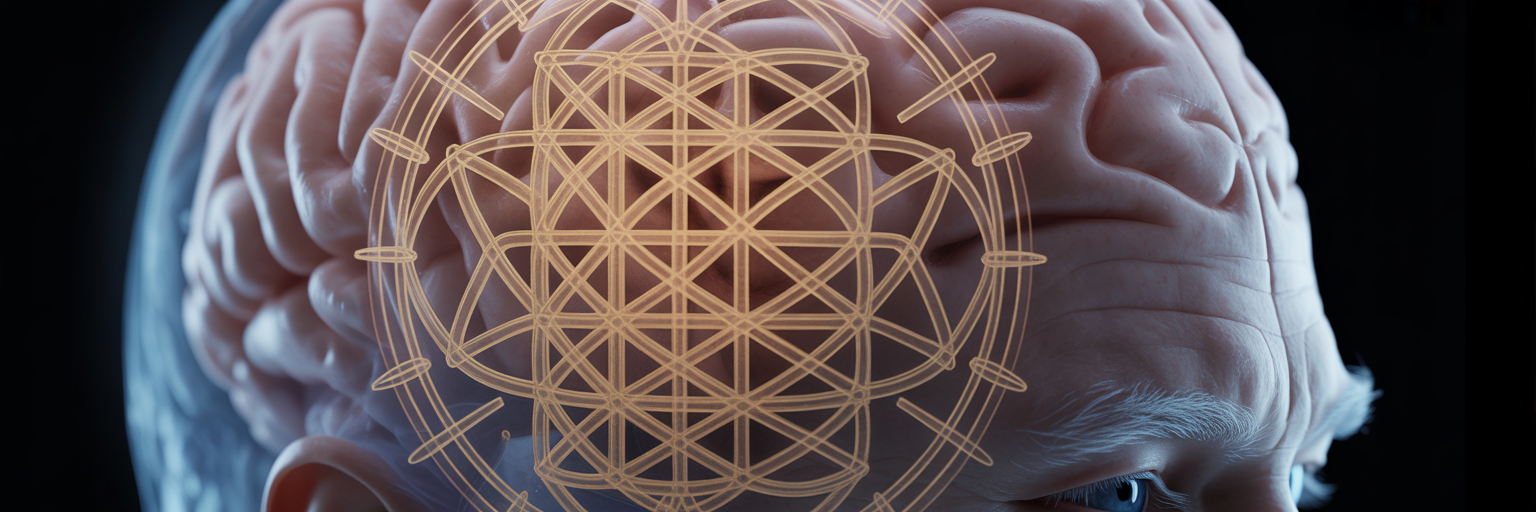
Long before laboratories and brain scans, ancient traditions were mapping the intricacies of the human mind. They developed sophisticated systems for understanding consciousness, not as a matter of faith, but as a practical guide to living a more integrated life. Today, modern science is beginning to validate what these mystics and sages knew all along: that our inner world can be intentionally shaped for greater well being.
The Psychological Map Within Kabbalah
Kabbalah offers a surprisingly detailed model of the human soul, one that functions less like religious doctrine and more like a psychological framework. It describes three core layers of consciousness: Nefesh, Ruach, and Neshamah. Think of these not as abstract concepts, but as different operating systems running within you at all times.
The Nefesh is our instinctual, bodily self. It’s the gut feeling that tells you something is off, the physical energy that gets you out of bed, and the part of you that craves safety and comfort. The Ruach represents our emotional and intellectual mind. This is where our thoughts, feelings, and personality reside. It’s the part that analyzes, worries, celebrates, and constructs the stories we tell ourselves about our lives.
Finally, the Neshamah is our higher, transcendent awareness. It’s the quiet observer within, the source of our deepest sense of purpose and connection. The goal in Kabbalah isn’t to silence the body or the mind, but to create harmony among all three. This pursuit of psychological wholeness directly mirrors the aims of modern therapy, which seeks to align our thoughts, feelings, and actions. This holistic approach, which seeks to harmonize our inner world, is central to the philosophy behind transformative work, as detailed in the guiding principles of our organization. Practices like meditation are the traditional tools used to achieve this inner alignment, creating a foundation that science is now able to measure.
The Brain on Mystical Experience

That feeling of inner alignment isn't just a subjective state; it corresponds to real, observable changes in the brain. Thanks to the principle of neuroplasticity, we know our brain is not a fixed organ. It constantly rewires itself based on our repeated thoughts and actions. Disciplined spiritual practices, like those found in Kabbalah, are essentially a form of targeted brain training.
One of the most fascinating discoveries in the neuroscience of spiritual practice involves the Default Mode Network (DMN). You can think of the DMN as the brain’s “me-centered” hub, the part that’s active when your mind wanders, ruminates about the past, or worries about the future. It’s the source of that constant internal chatter.
Neuroscientific studies show that deep meditative states significantly quiet the DMN. When this network goes offline, the brain shifts away from its usual self-referential thinking. This neurological change maps directly onto the mystical experience of ego dissolution, where the sense of a separate self fades into a feeling of profound connection and unity. In fact, studies in hermeneutic neurophenomenology, like one highlighted by the Sacred Science Circle, have begun to analyze states of consciousness described in texts like the Zohar, linking them to observable cognitive and neural processes. These shifts aren't just fleeting moments of peace. They build lasting neural pathways that improve emotional regulation and strengthen our resilience to stress.
Evidence-Based Benefits of Spiritual Practice
Beyond the fascinating brain science, the results of these practices show up in our daily lives in measurable ways. The integration of ancient wisdom for mental wellness is not a leap of faith; it’s a path to tangible, physiological and psychological improvements. This is where we see true, evidence based personal transformation take root.
Here are a few key outcomes supported by research:
- Stress Reduction: Practices like focused prayer and the benefits of Kabbalistic meditation are not just relaxing; they actively engage the parasympathetic nervous system. This is the body's "rest and digest" mode, which works to lower cortisol levels, slow the heart rate, and induce a state of deep physical calm. It’s a direct antidote to our chronic fight-or-flight culture.
- Emotional Resilience: A core skill developed through these disciplines is what’s often called a "witness consciousness." This is the ability to observe your thoughts and feelings from a distance, without getting swept away by them. You learn that you are not your anxiety or your anger; you are the awareness observing it. The development of this inner witness is a cornerstone of emotional freedom, a transformation echoed in the personal accounts of those who commit to this path.
- Cognitive Enhancement: This isn't just about feeling better; it's about thinking clearer. Research shows that long-term practitioners exhibit improved attention, better memory recall, and greater cognitive flexibility. A 2025 systematic review published in an MDPI journal explored the potential mechanisms through which spiritual practices influence cognitive health, identifying improved emotional regulation and social connectedness as key factors.
These benefits demonstrate that ancient methods are a powerful form of mental training, with results that are both profound and practical.
From Ancient Texts to Modern Therapy

When we look closely, it becomes clear that modern psychology has often rediscovered the profound wisdom embedded in ancient traditions. The language may be different, but the core understanding of human transformation is remarkably similar. The intersection of Kabbalah and modern psychology reveals two parallel paths leading to the same destination: a more whole and integrated self.
This table illustrates how core principles from Kabbalah directly mirror the techniques and goals of major contemporary therapeutic approaches, highlighting a shared understanding of personal growth.
| Kabbalistic Concept | Modern Therapeutic Parallel | Shared Goal |
|---|---|---|
| Tikkun ha-Nefesh (Rectification of the Soul) | Cognitive Behavioral Therapy (CBT) | Identifying and reframing destructive thought patterns to create healthier mental habits. |
| Sippur (Story/Narrative) | Narrative Therapy | Constructing an empowering personal story to find meaning and purpose in life's challenges. |
| Devekut (Clinging to God/Unity) | Transpersonal Psychology & Mindfulness | Transcending the ego to experience a greater sense of connection, peace, and wholeness. |
Beyond these techniques, both worlds emphasize the power of community. The Kabbalistic tradition of chavruta, or partnered study, was an ancient recognition of a truth modern psychology now confirms: supportive social connection is vital for growth. Sharing insights, holding each other accountable, and processing challenges together creates an environment where transformation can flourish. These profound ideas, such as those explored in foundational texts like the ones we study from Likutei Moharan, offer a rich source for personal reflection and growth.
A Practical Path to Integrated Growth
The convergence of ancient wisdom and modern science offers a powerful, holistic path to well being. This isn't about choosing between spirituality and science, but about embracing a "both/and" approach that honors the full spectrum of human experience. The journey doesn't require a dramatic life overhaul; it begins with small, consistent steps that cultivate inner awareness.
If you're ready to start, here are a few simple practices to try:
- Five-Minute Breath Focus: Once a day, simply sit and pay attention to the sensation of your breath. When your mind wanders, gently guide it back. This simple act trains your attention and calms your nervous system.
- Values Journaling: Spend a few minutes writing about what truly gives you a sense of meaning. What makes you feel alive and connected? This helps you connect with your personal "why."
- Mindful Observation: For a minute or two during your day, practice noticing your thoughts and feelings without judgment. Simply label them—"thinking," "worrying," "feeling calm"—and let them pass.
These gentle practices are accessible entry points to a deeper relationship with yourself. Personal transformation is a journey of self-compassion and curiosity, not perfection. For those seeking to deepen their practice within a supportive framework, exploring our structured courses can be a powerful next step on the journey of integrated growth.