
The Meeting Point of Spirit and Science
The desire to understand our inner world is as old as humanity itself. While ancient traditions forged paths through contemplation, modern science is now mapping the very same territory within our brains. For too long, spirituality and science were viewed as separate, even opposing, forces. But what if they are simply two complementary languages describing the same human experience?
Self-awareness is more than just knowing your personality traits. It is the capacity to observe your thoughts, emotions, and behaviors without immediate judgment. It’s about recognizing the difference between the fleeting chatter of the ego and a more stable, authentic inner self. This is where ancient systems like Kabbalah, a centuries-old framework of psychological and spiritual technology, find common ground with modern neuroscience.
Science is now providing compelling evidence for why these contemplative practices are so effective at improving well-being. This article explores the evidence based spiritual practices that enhance our inner lives and shows how the synergy of Kabbalah and psychology offers a powerful guide for anyone wondering how to increase self awareness.
The Neurological Benefits of Contemplative Practices
To understand how these practices work, we first need to appreciate a fundamental quality of our brains: neuroplasticity. Your brain is not a fixed, rigid organ. It can be reshaped by experience and intention, much like a muscle strengthens with consistent exercise. This ability to change is central to personal growth.
Much of our daily mental activity is governed by the "Default Mode Network" (DMN), the brain's autopilot. It’s responsible for the mind-wandering, rumination, and self-referential thoughts that often fill our quiet moments. We all know that feeling of replaying a conversation or worrying about the future without meaning to. Contemplative practices, such as focused breathing and meditation, have been shown to quiet the DMN. This isn't just about feeling calm; it's about reducing the brain's background noise, creating mental space for clarity and presence.
With a quieter mind, you are better able to observe your inner state without getting swept away by it. This leads to improved emotional regulation and a more stable sense of self. As neurocognitive research from the Hebrew University of Jerusalem suggests, mystical experiences are linked to specific brain mechanisms that can heighten states of self-awareness. This integration of ancient wisdom with a scientific understanding of the mind is the core of our approach at Lev Emunah. By engaging in these practices, you are not just relaxing; you are fundamentally rewiring your brain’s response to stress, building a more resilient and self-aware foundation.
Kabbalistic Techniques for Inner Exploration

While the science of contemplation provides the "what," Kabbalah offers the "how" with a rich toolkit of sophisticated psychological methods. These are not obscure rituals but time-tested spiritual practices for self awareness, designed to guide you from external distraction to internal reality. They provide a structured path for observing the mind's patterns, which is the very foundation of self-awareness.
Here are a few key techniques that serve as powerful methods for inner exploration:
- Historical Breathing Exercises: Techniques dating back to the 13th century were designed to refine attention and concentration. Similar to modern mindfulness, these practices help achieve states of consciousness where deep insight becomes possible. They train the mind to stay present instead of drifting into past regrets or future anxieties.
- Hitbodedut (Meditative Prayer): This is not a formal, scripted prayer. Instead, it is a spontaneous and honest conversation with the divine or your deepest self. By externalizing your thoughts and emotions in a safe, private space, you can gain incredible clarity and self-honesty. It’s like having a therapeutic dialogue where you are both the speaker and the compassionate listener.
- Contemplative Study: This practice involves engaging with sacred texts, like those found in our collection of Likutei Moharan teachings, not for academic knowledge but as a mirror. The stories and concepts become prompts for self-reflection, helping you see your own life and inner state with new eyes.
The goal of these practices is to gently move beyond the ego's constant narrative. They help you connect with a deeper, more authentic level of consciousness, fostering a profound and lasting sense of inner peace and understanding.
The Synergy Between Kabbalah and Modern Psychology
The connection between Kabbalah and modern psychology is not just parallel; it is deeply synergistic. Both fields seek to understand the human mind and alleviate suffering, but they approach it from different angles. When combined, they create a holistic framework for personal transformation.
For example, the Kabbalistic concept of 'Tikkun ha-Nefesh' (rectification of the self) shares a direct goal with Cognitive Behavioral Therapy (CBT). Both aim to identify, challenge, and restructure harmful thought patterns and behaviors. Similarly, the combination of mindfulness and Kabbalah is particularly powerful. While mindfulness provides the technique for present-moment awareness, Kabbalah offers a deep spiritual context and sense of meaning that can make the practice more profound and sustainable. As research into Kabbalistic pathways and modern psychology highlights, this integration can be profoundly healing.
The central idea in both systems is learning to create a "space" between a stimulus and your response. In that space lies your freedom to choose a more conscious and aligned action. This is not about replacing one field with another. Psychology offers the clinical language and evidence, while Kabbalah provides a rich tradition of spiritual depth and purpose. This integrated method is at the heart of many of our transformative courses.
| Kabbalistic Concept | Core Principle | Modern Psychological Parallel |
|---|---|---|
| Tikkun ha-Nefesh (Rectification of the Self) | Identifying and correcting inner imbalances and negative traits. | Cognitive Restructuring (CBT) & Shadow Work |
| Hitbodedut (Spontaneous Prayer/Dialogue) | Externalizing inner thoughts and emotions for clarity and connection. | Expressive Journaling & Talk Therapy |
| Sefirot (Divine Attributes) | A map of consciousness and personality archetypes. | Personality Frameworks (e.g., Myers-Briggs) & Parts Work (IFS) |
| Deveikut (Cleaving to the Divine) | Achieving a state of presence and connection to a higher reality. | Flow States & Mindfulness-Based Peak Experiences |
This table illustrates the direct parallels between core Kabbalistic concepts and established modern psychological frameworks, showing how they address similar aspects of the human experience.
Building Your Path to Greater Self-Awareness
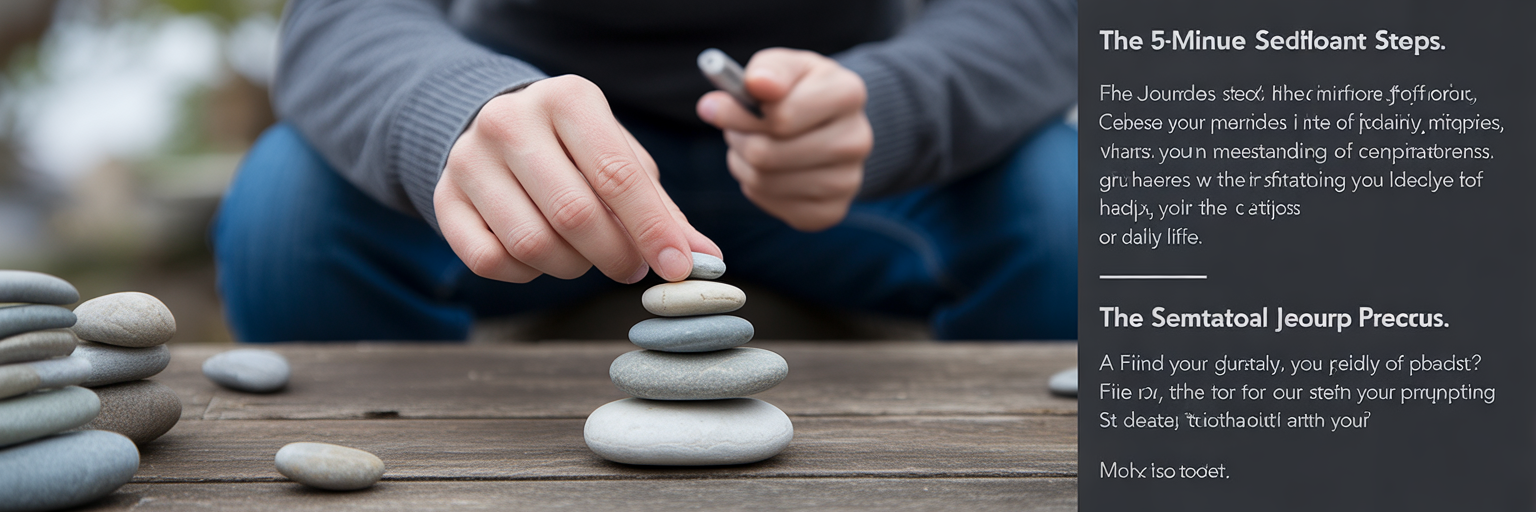
The journey toward greater self-awareness begins with small, consistent steps. It doesn't require hours of meditation or a deep understanding of complex theories. It starts with simple, intentional actions that you can integrate into your daily life. Here are a few practices to help you begin:
- The 5-Minute Breath Focus: Find a quiet place to sit for just five minutes. Close your eyes and bring your attention to the sensation of your breath entering and leaving your body. When your mind wanders, gently guide it back. This is a foundational exercise for building the muscle of attention.
- The Somatic Journal Prompt: At the end of your day, take a moment to journal with a specific prompt: "What one emotion did I feel most strongly today, and where did I feel it in my body?" This simple question bridges the gap between cognitive understanding and bodily awareness, helping you connect with your emotions on a deeper level.
- The Sacred Pause: This is a micro-practice for navigating daily life. Before reacting in a stressful situation—whether it's an email, a conversation, or a traffic jam—take one conscious breath. This tiny pause creates that crucial space between stimulus and response, allowing you to act with intention rather than impulse.
These simple actions are how to increase self awareness in a sustainable way. They are the building blocks of a more conscious and intentional life. To explore these concepts further and discover a supportive community on your journey, we invite you to explore our work at Lev Emunah.